Table of Contents
Small businesses need more than a website to attract customers online. They need a strong organic SEO strategy that helps potential customers discover their products and services through Google and emerging AI-powered search platforms. In 2026, search engine optimization includes traditional rankings, local search visibility, helpful content, technical performance, and visibility in AI-generated answers.
Whether you run a local service business, an ecommerce store, or a growing company, the right SEO approach can increase qualified website traffic without depending entirely on paid advertising. This guide explains how to build an effective SEO strategy, improve search visibility, attract potential customers, and turn organic traffic into measurable business growth.
Key Takeaways
- Organic SEO helps small businesses attract relevant visitors through unpaid search results.
- Local SEO improves visibility in Google Maps and location-based searches.
- GEO helps businesses improve their visibility across AI-powered search experiences.
- Technical SEO, helpful content, and quality backlinks support long-term growth.
- Ranking improvements typically require several months of consistent work.
- Website traffic becomes valuable when supported by strong landing pages and clear CTAs.
SEO vs. GEO: What’s the Difference and Which Does Your Business Need?
SEO improves your website’s visibility in traditional search engines, while GEO (Generative Engine Optimization) focuses on making your business and content more discoverable in AI-generated answers. Small businesses should use both approaches because customers increasingly discover businesses through traditional search and AI-powered experiences.
What Is Traditional SEO?
Traditional SEO helps search engines understand your website and rank relevant pages for specific searches.
It includes:
- Keyword research and search intent.
- On-page optimization.
- Technical SEO.
- Content creation.
- Link building.
What Is Generative Engine Optimization?
GEO focuses on improving how AI platforms understand, retrieve, and reference your business information.
For example, a customer might ask ChatGPT, “Which SEO company helps small businesses improve local rankings?”
Useful content, accurate business information, relevant mentions, and established authority can support discoverability.
SEO vs. GEO: What’s the Difference?
| SEO | GEO |
| Targets traditional search visibility | Targets AI-generated search visibility |
| Focuses on rankings and organic clicks | Focuses on discovery and potential citations |
| Uses keywords and search intent | Uses clear answers and contextual information |
| Measures impressions, clicks and rankings | Measures AI visibility and referrals |
Pro Tip: Build a strong SEO foundation first, then improve your content for AI discovery. Integrated SEO and GEO strategies can support both channels.
How to Get Your Business Featured in Google AI Overviews in 2026
To improve your chances of appearing in Google AI Overviews, publish accurate, helpful content, answer customer questions directly, maintain strong technical SEO, and demonstrate relevant experience. There is no guaranteed method or special AI schema that automatically earns inclusion.
How Does Google Select Content for AI Overviews?
Google uses its search systems and AI technologies to identify relevant information from indexed web pages.
Your content should demonstrate:
- Clear and accurate answers.
- First-hand knowledge and practical examples.
- Relevant supporting information.
- Reliable sources and updated details.
- Strong website structure.
How Can Small Businesses Optimize Their Content?
Use these practical techniques:
- Answer the main search question within the opening paragraph.
- Organize information using descriptive H2 and H3 headings.
- Include relevant examples and supporting facts.
- Add FAQs addressing genuine customer questions.
- Link to related service pages and authoritative resources.
Does Schema Markup Help With AI Overviews?
Structured data helps search engines understand page information, but Google does not require special GEO or AI Overview schema.
Use relevant schema such as Organization, LocalBusiness, Article, and BreadcrumbList when appropriate.
Google’s official guidance confirms that established SEO fundamentals remain important for AI search visibility.
How to Rank a Small Business Website on Google
Ranking a small business website requires relevant keyword targeting, helpful content, optimized service pages, technical SEO, quality backlinks, and consistent performance monitoring. Start with keywords that match your services and customers’ search intentions.
How Do You Find the Right SEO Keywords?
Use Google Keyword Planner, Ahrefs, or Semrush to identify keywords based on:
- Search volume.
- Keyword difficulty.
- Search intent.
- Business relevance.
- Location-based demand.
For example, an SEO agency could target “SEO services for small businesses” instead of competing only for broad terms such as “SEO.”
How Should You Optimize Your Website Pages?
Every important page should have:
- A unique title tag and meta description.
- One clear H1 heading.
- Relevant H2 and H3 headings.
- Naturally placed keywords.
- Descriptive image alt text.
- Helpful internal links.
- A clear conversion-focused CTA.
Why Are Backlinks Important?
Backlinks from relevant, trustworthy websites can strengthen your website’s authority.
Focus on industry directories, genuine partnerships, relevant publications, and useful guest contributions instead of buying large quantities of low-quality links.
Why Is Your Website Getting Traffic but No Leads?
Website traffic does not automatically generate customers. Visitors may leave without converting when landing pages lack clear messaging, relevant offers, trust signals, or simple contact options. Improving user experience and conversion paths helps turn organic visitors into qualified leads.
Is Your Website Attracting the Wrong Audience?
Ranking for high-volume keywords is not always valuable.
For example, an agency targeting general SEO information searches might receive visitors who want free tutorials rather than professional services.
Target commercial keywords that indicate buying intent.
Are Your Landing Pages Optimized for Conversions?
Check whether your pages include:
- Clear service descriptions.
- Relevant benefits.
- Customer testimonials.
- Contact forms.
- Visible phone numbers.
- Strong calls to action.
Which Tools Help Identify Conversion Problems?
Use Google Analytics 4 to analyze user engagement and conversion events.
Google Search Console helps identify search queries, impressions, clicks, and landing-page performance.
Pro Tip: Review your landing pages alongside traffic data. A page receiving 500 relevant monthly visits but generating no inquiries may have a messaging or conversion problem.
How Long Does SEO Take to Work for a Small Business?
SEO usually requires several months of consistent work before meaningful improvements become visible. The timeline depends on competition, website authority, technical health, content quality, location, and the resources invested in optimization.
What Is a Realistic SEO Timeline?
| Timeline | Expected Activities |
| Months 1–2 | Audit, keyword research and technical fixes |
| Months 3–4 | Content optimization and indexing improvements |
| Months 4–6 | Ranking improvements and organic traffic growth |
| Months 6–12 | Authority development and stronger keyword visibility |
These are planning estimates, not guaranteed ranking milestones.
What Factors Affect SEO Results?
- Competition in your industry.
- Existing website authority.
- Quality of your content.
- Technical website issues.
- Backlink profile.
- Consistency of optimization.
How Can You Track SEO Progress?
Monitor keyword rankings, organic clicks, impressions, conversions, and qualified leads.
Do not judge SEO success using rankings alone. Business inquiries and revenue are more meaningful performance indicators.
Local SEO vs. Traditional SEO: What’s the Difference?
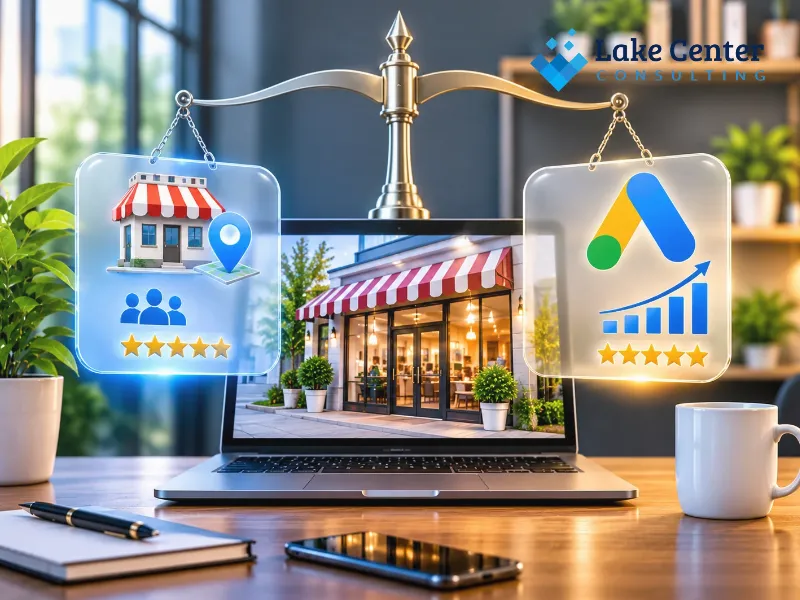
Local SEO improves visibility for location-based searches, while traditional SEO targets broader searches without necessarily focusing on a specific geographic area. Small businesses serving particular cities or neighborhoods often benefit from combining both strategies.
What Is Local SEO?
Local SEO helps businesses appear in Google Maps and location-related searches.
Examples include:
- Car workshop near me.
- SEO company in Plymouth, MN.
- Cleaning services in Plymouth, MN.
- Electrician near downtown.
What Is Traditional SEO?
Traditional SEO focuses on improving organic visibility for relevant informational, commercial, and transactional searches.
For example, an ecommerce store might target “best home gym equipment” without focusing on one city.
Which SEO Strategy Should Your Business Choose?
| Local SEO | Traditional SEO |
| Targets geographic searches | Targets broader search demand |
| Optimizes Google Business Profile | Optimizes website content |
| Focuses on local citations and reviews | Focuses on topical authority and backlinks |
| Supports local customer acquisition | Supports wider audience growth |
Businesses serving specific locations should prioritize Local SEO Services alongside broader organic search optimization.
10 Local SEO Mistakes That Are Costing Your Business Customers
Common local SEO mistakes include incomplete business profiles, inconsistent contact information, poor reviews management, weak location pages, and incorrect website details. Fixing these issues can improve your local search presence and make it easier for customers to contact your business.
What Are the Most Common Local SEO Mistakes?
- Incomplete Google Business Profile information.
- Incorrect business name, address, or phone number.
- Missing business categories.
- Ignoring customer reviews.
- Duplicate business listings.
- No location-specific landing pages.
- Poor mobile website experience.
- Missing local business schema.
- Weak internal linking.
- No regular local SEO audit.
How Can You Fix Local SEO Problems?
Start by checking your business information across your website, Google Business Profile, and important directories.
Make sure your service areas, opening hours, categories, and contact information are accurate.
Why Should You Perform a Local SEO Audit?
A local SEO audit identifies problems affecting your visibility in Google Maps and local organic results.
Review your rankings, citations, reviews, landing pages, and competitor presence regularly.
How to Choose the Right SEO Agency for Your Small Business
Choose an SEO agency based on its experience, transparency, strategy, communication, and ability to connect SEO performance with business results. A reliable provider should explain its approach clearly rather than promise guaranteed first-page rankings.
What Should You Look for in an SEO Agency?
Look for an agency offering:
- Technical SEO audits.
- Keyword research.
- On-page optimization.
- Content strategy.
- Local SEO.
- Link-building campaigns.
- Performance reporting.
Should You Hire an SEO Consultant or a Specialist?
An Organic SEO Consultant can help develop your strategy, identify growth opportunities, and guide optimization.
An Organic SEO Specialist generally focuses on implementing SEO activities such as keyword research, content optimization, technical improvements, and reporting.
What Questions Should You Ask Before Hiring?
Ask potential agencies:
- What is your SEO process?
- How do you measure results?
- Can you share relevant case studies?
- What activities are included in your service?
- How often will you provide reports?
Request a detailed SEO company quote that explains deliverables, timelines, and reporting expectations.
What Is Technical SEO and Why Does Your Website Need It?
Technical SEO improves how search engines crawl, understand, and index your website. It also supports a better user experience through mobile usability, secure browsing, and efficient page performance.
What Are the Main Elements of Technical SEO?
Important areas include:
- XML sitemap configuration.
- Robots.txt optimization.
- Canonical tags.
- HTTPS security.
- Website architecture.
- Mobile responsiveness.
- Structured data.
- Core Web Vitals.
How Can You Identify Technical SEO Problems?
Use Google Search Console to identify indexing and crawling issues.
Google PageSpeed Insights helps evaluate website performance, while Screaming Frog can identify broken links, redirect problems, duplicate titles, and missing metadata.
When Does Your Business Need Technical SEO Services?
Consider a technical audit when pages are not getting indexed, website traffic declines unexpectedly, important pages load slowly, or duplicate URLs create confusion.
Technical SEO should be an ongoing part of your Organic Website Traffic Growth strategy.
How to Improve Your Website’s Visibility in AI Search Results
Improve AI search visibility by publishing original, well-structured content, maintaining accurate business information, demonstrating expertise, and earning relevant mentions from trusted sources. Strong organic SEO provides the foundation for discoverability across AI-powered platforms.
How Can You Make Content Easier for AI Systems to Understand?
Use clear explanations, descriptive headings, concise definitions, and relevant examples.
Create dedicated pages addressing specific customer questions rather than covering unrelated topics in one article.
Why Are Brand Mentions and Online Authority Important?
Consistent business information across reputable websites helps establish a clearer online presence.
Build genuine industry relationships, publish useful research, and maintain accurate company profiles.
Does GEO Require a Different Content Strategy?
GEO builds on traditional SEO rather than replacing it.
For example, a travel business can combine travel SEO, geo-targeted destination pages, and localization SEO to reach customers searching for specific destinations and experiences.
Pro Tip: Check Google Search Console and available AI referral analytics to understand how your website is being discovered. Google also provides guidance on measuring visibility in generative search experiences.
Organic SEO vs. Paid Advertising: Which Is Better for Small Businesses?
Organic SEO is generally better for building long-term search visibility, while paid advertising can generate targeted traffic more quickly. The best choice depends on your budget, business goals, competition, and how quickly you need customer inquiries.
How Does Organic SEO Compare With Paid Advertising?
| Organic SEO | Paid Advertising |
| Generates unpaid search traffic | Generates paid traffic |
| Requires consistent optimization | Requires ongoing advertising budget |
| Builds long-term visibility | Offers faster campaign exposure |
| Supports multiple search intents | Targets selected audiences and keywords |
When Should Small Businesses Invest in SEO?
SEO is suitable when you want to build lasting organic visibility, attract customers consistently, and reduce dependence on paid campaigns.
When Are Paid Ads a Better Choice?
Paid ads can help when launching a new service, promoting a seasonal offer, or testing customer demand.
Combining organic search marketing with paid campaigns can help businesses reach customers at different stages of the buying journey.
How to Turn Organic Website Traffic Into Qualified Leads
Turn organic traffic into qualified leads by targeting high-intent keywords, creating relevant landing pages, presenting clear offers, and making contact simple. Your SEO strategy should attract people who need your services rather than focusing only on increasing visitor numbers.
How Do You Attract Visitors With Buying Intent?
Create separate pages for your main services and target relevant commercial searches.
For example, an SEO agency should have dedicated pages for local SEO, technical SEO, and SEO strategy services.
What Website Elements Help Generate More Leads?
Include:
- Clear service benefits.
- Strong contact forms.
- Visible phone numbers.
- Testimonials and case studies.
- Relevant FAQs.
- Clear CTA buttons.
How Can You Measure Lead Generation Performance?
Track form submissions, phone calls, booked consultations, and qualified inquiries using GA4 and conversion tracking.
Review which landing pages and keywords generate the most valuable leads, then improve those pages.
Conclusion:
Organic SEO is a long-term investment that helps small businesses improve online visibility, attract relevant visitors, and generate qualified leads. In 2026, successful SEO requires more than keyword placement. Businesses need strong technical foundations, helpful content, local visibility, and strategies that support discovery across traditional and AI-powered search.
The right approach combines SEO, local optimization, and GEO to create sustainable opportunities for growth.