Table of Contents
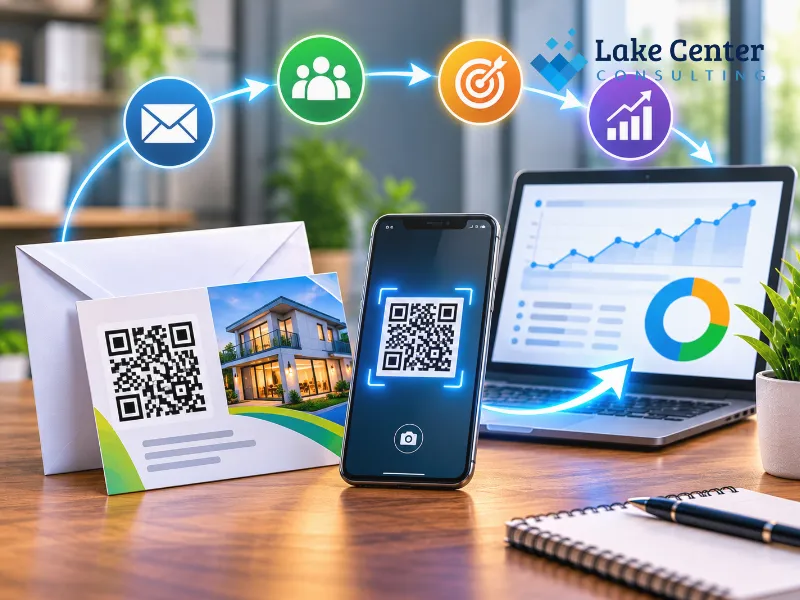
Direct mail remains an effective way for businesses to reach potential customers, but its impact can increase when combined with digital marketing. Instead of treating printed mailers and online advertising as separate channels, businesses can connect them through QR codes, tracking URLs, dedicated landing pages, and digital retargeting.
This approach makes it easier to measure customer engagement, generate qualified leads, and understand which campaigns produce actual sales. Direct Mail Marketing for Small Businesses becomes more measurable when every printed piece creates an opportunity for digital interaction. Whether you are promoting a local service, launching a new offer, or reaching a specific neighborhood, combining offline and online marketing creates a more connected customer journey.
Key Takeaways
- Combine printed mailers with digital campaigns to reach customers across multiple channels.
- Use unique QR codes to connect physical mail with dedicated landing pages.
- Create UTM tracking URLs to measure website visits from individual campaigns.
- Use call tracking numbers to measure phone enquiries generated by direct mail.
- Retarget eligible website visitors through platforms such as Google Ads and Meta Ads.
- Measure conversions, campaign costs, and revenue to improve future marketing performance.
Why Direct Mail and Digital Marketing Work Better Together
Direct mail and digital marketing work better together because they reach customers through different touchpoints. Printed materials create physical brand exposure, while digital channels provide opportunities for engagement, follow-up, and conversion tracking. Combining both approaches helps businesses build recognition and measure how offline campaigns contribute to online results.
How Direct Mail Supports Digital Marketing Campaigns
Direct mail puts your brand directly in a customer’s home or business. A postcard, brochure, or promotional letter can introduce your services and encourage recipients to take action online.
For example, a local HVAC company can send postcards offering seasonal maintenance services and direct recipients to an online booking page.
Why an Integrated Marketing Strategy Improves Engagement
Customers may need multiple interactions before making a purchase.
A connected campaign can include:
- A printed postcard introduces the offer.
- A QR code takes the recipient to a landing page.
- A follow-up advertisement reinforces brand awareness.
- An email or phone enquiry creates a conversion opportunity.
Each channel supports the next stage of the customer journey.
Direct Mail vs. Digital Marketing: Understanding Their Roles
| Direct Mail | Digital Marketing |
| Physical customer touchpoint | Online customer interaction |
| Reaches selected mailing areas | Reaches targeted online audiences |
| Uses QR codes and unique URLs | Uses pixels, analytics, and UTM tags |
| Physical production and postage costs | Advertising and platform costs |
| Supports brand recognition | Supports engagement and conversion tracking |
Pro Tip: Give every campaign one clear objective, such as generating appointments, requesting estimates, or promoting a specific service.
How to Use QR Codes on Direct Mail the Right Way
QR codes connect printed marketing materials with digital experiences by allowing recipients to scan a code using their smartphones. Businesses can use them to direct customers to booking pages, promotional offers, product information, or contact forms. Each campaign should use a relevant destination and a clearly explained reason to scan.
Where Should You Place QR Codes on Printed Mailers?
Place QR codes where customers can easily notice and scan them.
Suitable locations include:
- Postcards near the main promotional message.
- Brochures beside service descriptions.
- Flyers near special offers.
- Business letters beside the call to action.
Use sufficient size, contrast, and white space to make scanning convenient.
What Should Happen After a Customer Scans the QR Code?
The QR code should open a mobile-friendly page that matches the printed offer.
For example, a roofing company could direct recipients to a landing page offering a free roof inspection request.
The page should include:
- A clear headline.
- A short explanation of the offer.
- Relevant service information.
- A simple enquiry form.
- A visible phone number.
How to Create Unique QR Codes for Different Campaigns
Use separate QR codes for different mailers, locations, or promotional offers.
Tools such as Bitly and reputable QR code platforms can help create trackable QR codes.
For example:
- Campaign A: Spring cleaning postcard.
- Campaign B: Summer HVAC promotion.
- Campaign C: Neighborhood plumbing offer.
This makes campaign-level performance easier to compare.
How to Create Tracking URLs and Dedicated Landing Pages for Each Campaign
Tracking URLs and dedicated landing pages help businesses identify website visits and conversions generated by individual direct mail campaigns. By adding UTM parameters to campaign links, marketers can analyze traffic in Google Analytics 4 and compare results across different mailers, offers, and geographic areas.
How Do UTM Tracking Parameters Work?
UTM parameters are additional tags added to a website URL to identify the source and campaign responsible for a visit.
A sample tracking URL:
Example campaign URL
Important UTM parameters include:
- utm_source: Identifies the source.
- utm_medium: Identifies the marketing channel.
- utm_campaign: Identifies the campaign.
- utm_content: Differentiates creative versions.
Google’s Campaign URL Builder can help generate consistent tracking links.
Why Should Each Direct Mail Campaign Have a Dedicated Landing Page?
A dedicated landing page keeps the customer experience consistent with the printed message.
For example, someone receiving a postcard about kitchen remodeling should land on a page specifically about kitchen remodeling rather than a general homepage.
This improves message relevance and makes conversions easier to measure.
How to Track Direct Mail Traffic in Google Analytics 4
Use GA4 to monitor:
- Session source and medium.
- Campaign traffic.
- Landing page visits.
- Form submissions.
- Phone clicks and other tracked events.
- Completed conversions.
Test each tracking URL before printing your mailers to prevent reporting errors.
How to Use Call Tracking to Measure Direct Mail Response
Call tracking helps businesses measure phone enquiries generated by printed campaigns. By assigning a unique tracking number to each mailer or campaign, businesses can identify incoming calls, compare response rates, and understand which marketing materials generate valuable conversations.
Why Should You Use Unique Phone Numbers?
A unique tracking number helps separate direct mail calls from other marketing sources.
For example, a home improvement company can use different numbers for:
- Kitchen remodeling postcards.
- Bathroom renovation brochures.
- Neighborhood home improvement campaigns.
This provides clearer attribution than using one phone number across every channel.
Which Call Tracking Tools Can Businesses Use?
Popular platforms include:
- CallRail.
- WhatConverts.
- CallTrackingMetrics.
Depending on the platform and plan, features may include call recording, source attribution, call duration reporting, and lead qualification.
How to Measure Calls and Qualified Leads
Track more than the total number of incoming calls.
| Metric | What It Measures |
| Total calls | Overall call volume |
| Unique callers | Individual calling customers |
| Qualified calls | Relevant potential leads |
| Booked appointments | Successful scheduling |
| Completed sales | Actual business results |
Pro Tip: Follow applicable consent and privacy requirements before recording calls. Train your team to identify how callers discovered your business.
How to Retarget Households After They Receive Your Mailer
Digital retargeting can reinforce direct mail campaigns by showing relevant advertisements to eligible online audiences. However, businesses cannot automatically identify every household that receives a postcard. Retargeting requires a lawful and technically supported audience signal, such as website visits, consented customer data, or eligible advertising audience partnerships.
How Does Direct Mail Retargeting Work?
A connected campaign can work as follows:
- A household receives a printed mailer.
- The recipient visits the campaign landing page.
- An advertising platform records an eligible website visit.
- The visitor may become part of a remarketing audience.
- Relevant advertisements can appear on supported platforms.
This approach connects physical marketing exposure with measurable online engagement.
Which Platforms Can You Use for Retargeting?
Common options include:
- Google Ads: Remarketing to eligible website visitors.
- Meta Ads: Custom Audiences using eligible website or customer data.
- LinkedIn Ads: Suitable for certain business-to-business campaigns.
Audience availability, minimum sizes, consent requirements, and platform policies apply.
How to Build a Direct Mail Retargeting Campaign
For a local home services business:
- Send a postcard promoting a specific service.
- Direct recipients to a dedicated landing page.
- Configure the appropriate advertising tracking technology.
- Build an eligible audience of visitors.
- Show relevant follow-up advertisements.
- Measure enquiries and conversions.
Avoid uploading purchased household lists or using personal information without an appropriate legal basis and platform permission.
A Sample Direct Mail and Digital Campaign Timeline
A coordinated direct mail and digital campaign should follow a clear schedule, from audience selection and mailer design to online advertising and performance analysis. A four-week campaign is a practical starting point for many small businesses, although delivery times and customer decision cycles vary by industry.
Week 1: Plan Your Direct Mail Campaign
Start by defining your campaign objectives and target audience.
Complete these tasks:
- Select your target neighborhoods or customer segments.
- Define your offer and campaign message.
- Prepare your mailing list using appropriate data sources.
- Design postcards, flyers, or brochures.
- Create campaign-specific QR codes and tracking URLs.
Week 2: Launch Your Mailers and Digital Campaigns
Send your printed materials and prepare the supporting digital channels.
During this stage:
- Deliver mailers to your selected audience.
- Publish the dedicated landing page.
- Test tracking links and conversion events.
- Launch relevant Google or Meta advertising campaigns.
- Prepare follow-up messages for incoming enquiries.
Week 3: Monitor Engagement and Retarget Visitors
Review campaign activity and identify opportunities to improve engagement.
Monitor:
- QR code scans.
- Website sessions.
- Form submissions.
- Incoming phone calls.
- Advertising engagement.
- Qualified enquiries.
Use eligible website visitor audiences for relevant retargeting campaigns.
Week 4: Measure Results and Improve Performance
Review the campaign’s overall performance and identify what should change.
Compare different neighborhoods, mailer designs, promotional offers, and digital advertisements.
Example four-week campaign schedule
| Week | Main Activity | Expected Output |
| Week 1 | Planning and design | Campaign ready |
| Week 2 | Mail delivery and digital launch | Initial engagement |
| Week 3 | Monitoring and retargeting | Additional enquiries |
| Week 4 | Reporting and optimization | Performance insights |
How to Measure ROI and Improve Your Next Campaign
Measuring return on investment (ROI) helps businesses understand whether combining direct mail with digital marketing generates profitable results. Track campaign expenses, QR scans, website visits, calls, qualified leads, and completed sales. Use this information to identify successful channels and improve future campaign targeting, messaging, and budget allocation.
Which Metrics Should You Track?
Focus on metrics that connect marketing activity with business outcomes.
| Metric | Measurement |
| Mail pieces delivered | Total successfully delivered mailers |
| QR code scans | Recipients accessing campaign links |
| Website sessions | Campaign-related website visits |
| Calls generated | Phone enquiries from mailers |
| Qualified leads | Relevant potential customers |
| Conversions | Completed bookings or purchases |
| Campaign ROI | Financial return compared with investment |
How to Calculate Direct Mail Marketing ROI
Use this formula:
ROI=Revenue-CampaignCostCampaignCost100
For example, suppose a small business spends $2,000 on printing, postage, and digital advertising.
The campaign generates $6,000 in attributable revenue.
\[ ROI = \frac{6000-2000}{2000}\times100=200\% \]
This represents a 200% return based on revenue minus campaign costs. It is not the same as profit ROI because product, labor, and service delivery costs are not included.
How to Improve Your Next Direct Mail Campaign
Use your campaign data to make informed decisions.
- Test different headlines and promotional offers.
- Compare response rates across neighborhoods.
- Improve landing page loading speed.
- Simplify enquiry forms.
- Review call quality and sales outcomes.
- Adjust digital advertising audiences.
- Remove ineffective campaign elements.
When Should You Work with a Direct Mail Marketing Agency?
A professional Direct Mail Marketing Agency can help businesses with audience selection, mailing strategy, creative design, printing coordination, and campaign measurement.
Combining these services with a Digital Marketing Agency for Small Businesses can provide additional support through landing page optimization, paid advertising, retargeting, and analytics.
Pro Tip: Do not judge a campaign only by QR scans or website visits. A campaign with fewer interactions can still perform better if it generates more qualified leads and completed sales.
Conclusion
Direct mail becomes more measurable and effective when it works alongside digital marketing. QR codes, UTM tracking URLs, dedicated landing pages, call tracking, and retargeting help businesses connect physical mail with online customer interactions.
For small businesses, Direct Mail Marketing for Small Businesses offers an opportunity to reach specific audiences while using digital tools to understand campaign performance. The key is to create a consistent customer journey, track meaningful conversions, and improve campaigns using real data.
Whether you manage campaigns internally or work with professional Direct Mail Marketing Services, combining offline and online channels can support stronger customer engagement and sustainable business growth.
Ready to connect your printed campaigns with digital marketing? Build a measurable strategy that turns direct mail engagement into website visits, qualified enquiries, and new customers.
FAQs
1. Can direct mail and digital marketing work together?
Yes. Direct mail and digital marketing can work together through QR codes, tracking URLs, dedicated landing pages, call tracking, and online advertising. Printed materials introduce your business, while digital channels help customers engage with your offer and allow you to measure campaign performance.
2. How do QR codes help direct mail marketing?
QR codes connect printed materials to online destinations. Customers can scan a code to visit a landing page, request a quote, book an appointment, or explore a promotional offer. Unique QR codes also help businesses identify engagement from different mailers and campaign locations.
3. How do I track website traffic from direct mail?
Use UTM parameters to create campaign-specific tracking URLs. Add these URLs to your QR codes and monitor website sessions, landing pages, and conversions in Google Analytics 4. This helps distinguish direct mail traffic from visitors arriving through organic search, social media, or paid advertising.
4. What is the best way to retarget direct mail recipients online?
Direct mail recipients can be retargeted when they generate an eligible digital audience signal, such as visiting a campaign landing page. Businesses can then use Google Ads or Meta Ads to reach eligible visitors with relevant advertisements, subject to consent requirements, audience thresholds, and platform policies.
5. How can I measure phone calls generated by direct mail?
Use a unique call tracking number for each direct mail campaign. Platforms such as CallRail and WhatConverts can help identify incoming calls and measure call activity. Track qualified enquiries and booked appointments to understand whether your printed campaigns generate valuable business opportunities.
6. How much does a direct mail marketing campaign cost?
Direct mail campaign costs depend on mailing volume, printing materials, postage, design, audience selection, and tracking requirements. Adding digital advertising and landing page development increases the overall investment. Calculate the full campaign cost before comparing revenue and return on investment.
7. What is the best digital marketing channel to combine with direct mail?
The best channel depends on your campaign objective. Google Ads can capture customers actively searching for services, while Meta Ads can support brand awareness and eligible retargeting campaigns. Email marketing can also help businesses maintain communication with customers who have provided appropriate consent.
8. How long should a direct mail marketing campaign run?
A four-week campaign can provide a useful initial testing period for many small businesses. However, the ideal duration depends on mailing delivery, industry, customer decision cycles, and offer deadlines. Continue tracking responses after delivery because customers may not respond immediately.
9. Is direct mail marketing effective for small businesses?
Yes. Direct mail can help small businesses reach specific neighborhoods, introduce services, promote offers, and generate local enquiries. Its effectiveness depends on audience relevance, campaign design, offer quality, and follow-up. Combining direct mail with digital tracking makes performance easier to evaluate.
10. Should I hire a direct mail marketing agency?
A Direct Mail Marketing Agency can help with audience targeting, creative development, printing, mailing coordination, and campaign tracking. Businesses that also need online advertising, retargeting, and analytics may benefit from working with a Digital Marketing Agency for Small Businesses that supports both channels.